


Enlaces rápidos
Productos
contactos
Copyright © 2025 Jining Xunda Pipeline Anti-corrosion Materials Co., Ltd. Todos los derechos reservados. Desarrollado por Easybiz

Road cracks rarely stay small for long. A narrow opening on the pavement surface can quickly become a wider crack, a loose edge, or even a pothole when water, dust, traffic pressure, and temperature changes keep working on it. For property owners, road contractors, maintenance teams, and material distributors, the real question is not simply how to cover a crack. The more important question is how to seal it early, keep water out, and reduce repeated repair work.
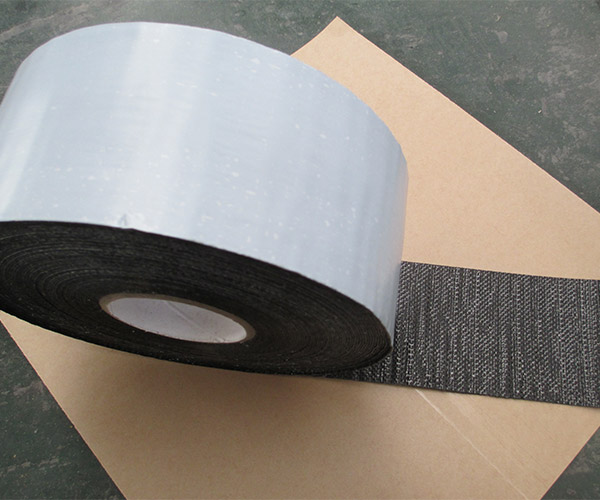
This is why asphalt adhesive tape has become a practical solution for many road repair and pavement maintenance projects. Compared with loose patching material or liquid-only crack treatment, asphalt adhesive tape offers a cleaner repair line, easier width control, and stronger surface coverage for cracks, joints, driveway edges, parking lot repairs, and small road maintenance areas.
However, not every asphalt tape performs the same. A product that works well on a residential driveway may not be enough for a busy parking lot. A tape used for asphalt joints may need different flexibility from one used for simple surface cracks. A road repair project in a wet climate may need stronger waterproof sealing than a short-term indoor pavement repair.
This guide explains how to choose asphalt adhesive tape from a practical project perspective, especially if you are sourcing products for road repair, construction supply, municipal maintenance, wholesale distribution, or private label packaging.
Many buyers search for asphalt adhesive tape because they already see visible cracks. But the visible crack is only the surface symptom. The deeper issue is usually one of these problems:
Water is entering the pavement structure.
The crack edges are starting to loosen.
Traffic pressure is widening the opening.
Temperature movement is making the crack expand and contract.
Small cracks are connecting into larger damaged areas.
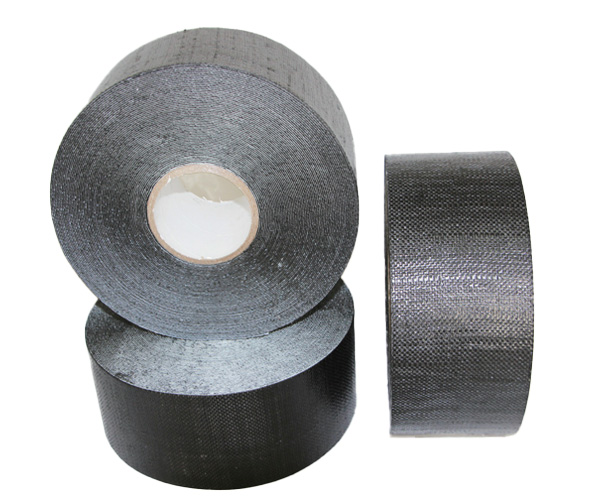
For this reason, the best asphalt repair tape is not just a covering material. It should act as a sealing layer that helps block water, protect crack edges, and reduce further surface deterioration.
When choosing asphalt adhesive tape for road repair, the first step is to identify what type of problem the tape needs to solve. A straight, narrow driveway crack does not require the same tape as a moving pavement joint or a utility cut edge. If the repair area is exposed to frequent vehicles, rain, snow, heat, or freeze-thaw cycles, the tape needs stronger adhesion, better flexibility, and reliable waterproof performance.
Asphalt adhesive tape is commonly used as a pavement crack repair tape, asphalt sealing tape, or road repair tape. It is designed to bond to asphalt or compatible road surfaces and form a protective sealing layer over cracks, joints, or repaired edges.
Its main functions include:
Keeping water from entering cracks and damaging the base layer.
Reducing loose particles around crack edges.
Providing a more controlled repair width.
Improving the appearance of small pavement repairs.
Helping maintenance teams finish localized repairs faster.
Supporting road repair work where clean application and fast handling matter.
In many projects, asphalt adhesive tape is used for surface sealing rather than deep structural rebuilding. This distinction matters. If the pavement base has already failed, tape alone cannot solve the structural issue. But when the crack is still manageable, asphalt crack repair tape can help slow further damage and extend the maintenance interval.
Asphalt adhesive tape is most valuable when the repair area needs clean, targeted sealing instead of broad resurfacing. It is especially useful for localized defects and predictable crack patterns.
| Application Area | Common Problem | Suitable Tape Focus |
|---|---|---|
| Road cracks | Water entering narrow cracks | Waterproof sealing and surface bonding |
| Driveways | Long straight cracks or edge gaps | Easy application and clean appearance |
| Parking lots | Repeated traffic and surface movement | Heavy-duty adhesion and durability |
| Pavement joints | Movement between different surfaces | Flexibility and joint coverage |
| Utility cuts | Weak edges after trench repair | Wide coverage and edge sealing |
| Industrial pavement | Load pressure and outdoor exposure | Thickness, adhesion, and weather resistance |
| Manhole edges | Gaps around circular repairs | Flexible coverage and strong bonding |
| Concrete-asphalt joints | Different surface movement | Compatibility and sealing performance |
This application-based approach is important for SEO content as well. Buyers do not only search for “asphalt adhesive tape.” They also search for phrases like asphalt tape for driveway repair, asphalt repair tape for parking lot cracks, asphalt joint sealing tape, waterproof asphalt crack tape, and pavement repair tape for road maintenance.
A strong blog should naturally answer these search intents instead of repeating one keyword again and again.
Before selecting a tape, look at the repair surface. Asphalt adhesive tape needs proper contact with the pavement to perform well. If the surface is dusty, loose, wet, oily, or badly broken, adhesion will be reduced.
A good repair surface should be:
Clean enough for bonding.
Dry before application.
Free from loose stones and dust.
Stable around the crack edges.
Not severely deformed or crumbling.
If the surface has deep holes, soft base movement, or alligator cracking, the area may need more than tape. In that case, asphalt adhesive tape can still be used as part of a maintenance system, but the damaged structure should be repaired first.
For manufacturers and suppliers, this is also a good point to explain product value honestly. Buyers trust a manufacturer more when the content clearly explains where the product works well and where additional repair methods may be needed.
One common mistake is choosing a tape that is too narrow. If the tape barely covers the crack, it may not provide enough bonding area on both sides. Good sealing requires the tape to bridge the crack and bond firmly to the surrounding pavement.
For narrow surface cracks, a standard-width asphalt crack repair tape may be enough. For wider joints, utility cut edges, or areas with loose crack shoulders, a wider tape is usually more reliable.
A simple selection rule:
Use narrow tape for small straight cracks.
Use medium-width tape for common driveway and parking lot cracks.
Use wide asphalt adhesive tape for joints, cuts, and edge repairs.
Use custom width asphalt adhesive tape when the project has special crack patterns or application requirements.
This is where direct manufacturing capability becomes valuable. A manufacturer can often support different roll widths, thicknesses, lengths, packaging formats, and private label needs. For contractors and distributors, this flexibility can make asphalt adhesive tape easier to match with real project demand.
Adhesion is one of the most important quality indicators of asphalt adhesive tape. Without strong bonding, even a thick tape may lift at the edges, allow water to enter, or fail under traffic pressure.
High-quality asphalt repair tape should have strong surface grip on prepared asphalt pavement. It should maintain contact after application and resist edge lifting under normal outdoor use. For road repair, adhesion performance is especially important in these areas:
Driveway cracks exposed to rain.
Parking lots with turning vehicles.
Road shoulders and edge cracks.
Utility cut repairs.
Outdoor pavement joints.
Industrial yards with equipment movement.
When evaluating asphalt adhesive tape from a supplier, buyers should ask about surface preparation requirements, recommended application temperature, bonding method, roll storage, and suitable surfaces. These details are more useful than a simple claim such as “strong adhesion.”
Water is one of the biggest reasons small asphalt cracks become serious pavement problems. Once water enters the crack, it can weaken the base, carry fine material away, and make the crack expand through traffic and temperature movement.
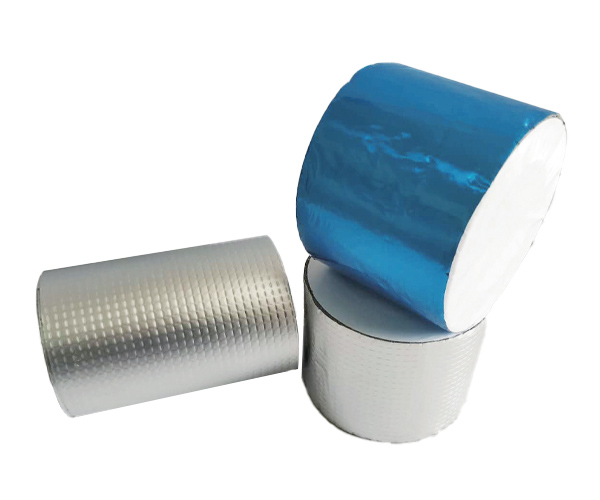
For this reason, waterproof asphalt adhesive tape is not just a selling point. It is one of the core functions of the product.
Good waterproof performance helps:
Block rainwater from entering the crack.
Reduce freeze-thaw damage in cold regions.
Protect pavement edges from loosening.
Limit moisture-related base erosion.
Support longer repair intervals.
In road maintenance content, this point deserves more attention than appearance. A neat surface is good, but a watertight seal is what makes the repair meaningful.
Pavement is not completely static. Asphalt surfaces expand, contract, and move under temperature changes and traffic pressure. Cracks and joints may open slightly in cold conditions and close in warmer conditions. If the tape is too rigid, it may split, lift, or fail along the crack line.
Flexible asphalt sealing tape is especially important for:
Longitudinal cracks.
Transverse cracks.
Expansion joints.
Concrete-asphalt connections.
Parking lot cracks with repeated vehicle turning.
Outdoor repairs in climates with strong temperature changes.
A flexible tape can better follow small surface movements while maintaining coverage. This does not mean the tape should be soft or weak. The best balance is flexibility with strong adhesion and enough thickness for protection.
Asphalt adhesive tape may be designed for different application methods. Two common categories are cold applied asphalt repair tape and heat bonded asphalt crack tape.
Cold applied tape is often preferred when speed, convenience, and simple handling are important. It can be suitable for small repairs, property maintenance, and situations where the user wants a cleaner process with less equipment.
Heat bonded tape is often selected when stronger surface integration is required. Heat can help the tape conform to the pavement texture and improve bonding when used correctly. This method is common in outdoor asphalt crack repair and joint sealing applications.
The better choice depends on the project:
| Project Situation | Better Direction |
|---|---|
| Small driveway cracks | Self adhesive asphalt tape |
| Fast property maintenance | Cold applied asphalt repair tape |
| Outdoor road cracks | Heat bonded asphalt crack tape |
| Parking lot cracks | Heavy-duty asphalt repair tape |
| Pavement joints | Flexible asphalt joint sealing tape |
| Utility cut edges | Wide asphalt adhesive tape |
| Distributor supply | Multiple widths and roll sizes |
For B2B buyers, the important point is not simply choosing one method over another. The better approach is to match the application method with traffic load, climate, labor skill, equipment availability, and expected durability.
Many buyers compare asphalt adhesive tape with crack filler. Both can be used in asphalt crack repair, but they do not work in exactly the same way.
Crack filler is often used to fill the opening inside the crack. It can be useful for cracks that need internal filling before surface sealing. Asphalt adhesive tape, on the other hand, is designed to cover and seal the surface area. It creates a visible protective band over the crack or joint.
In some repair methods, filling and tape sealing can work together. For example, a deeper crack may first need filling to level the surface, then tape can be used as an overband sealing layer. This helps improve surface coverage and reduce direct water entry.
| Comparison Point | Asphalt Adhesive Tape | Crack Filler |
|---|---|---|
| Main function | Surface sealing and coverage | Filling the crack opening |
| Application control | Easy to control width and line | Depends on flow and tooling |
| Apariencia | Clean repair band | May vary by application |
| Sellado impermeable | Strong when bonded properly | Depends on material and crack condition |
| Best use | Cracks, joints, edges, localized repairs | Crack cavities and gaps |
| B2B advantage | Easy packaging, roll supply, custom widths | Common maintenance material |
This comparison topic is especially useful for SEO because many users search before deciding which repair material to buy. It also allows the manufacturer to explain product value without sounding promotional.
A tape used on a quiet driveway faces a different challenge from one used in a commercial parking lot or industrial pavement. Traffic load affects product selection because pressure, turning movement, braking, and tire friction can all influence tape performance.
For light-duty repairs, buyers may focus on easy application and neat sealing. For commercial or municipal work, they should pay more attention to adhesion strength, thickness, flexibility, weather resistance, and long-term edge stability.
Suggested selection logic:
For residential driveways, choose easy-to-apply self adhesive asphalt tape.
For parking lots, choose heavy-duty asphalt repair tape with better wear resistance.
For road cracks, choose waterproof asphalt adhesive tape with strong bonding.
For pavement joints, choose asphalt joint sealing tape with flexibility.
For industrial pavement, choose thicker asphalt repair tape designed for outdoor exposure.
For distributors, offer multiple specifications to cover different customer groups.
A manufacturer’s product page can support this by showing clear application categories rather than only listing dimensions.
Outdoor pavement repair materials face sun, rain, temperature changes, and sometimes snow or deicing conditions. Asphalt adhesive tape should be selected according to the environment where it will be used.
In hot climates, buyers should consider softening resistance and stable bonding under surface heat. In cold climates, flexibility becomes more important because cracks may move more during temperature changes. In wet regions, waterproof sealing and edge bonding should be the top priority.
The best asphalt adhesive tape for one market may not be the best for another. This is why B2B buyers often need more than a standard product description. They need practical guidance from the supplier about suitable applications, storage, installation, and specification matching.
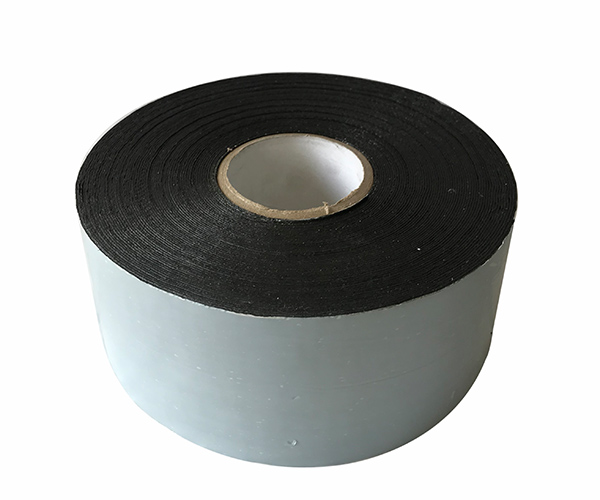
Even a high-quality asphalt adhesive tape can fail if the surface is not prepared correctly. Most application problems come from poor cleaning, moisture, loose particles, or incorrect bonding temperature.
A practical application checklist:
Remove dust, sand, loose asphalt, and small stones.
Make sure the crack area is dry.
Check that the surface is stable enough for bonding.
Cut the tape to the required length before application.
Align the tape carefully over the crack or joint.
Press the tape firmly to improve contact.
Use the recommended bonding method for the product type.
Avoid heavy traffic too soon if curing or cooling time is needed.
This section is valuable because it helps readers avoid real problems. It also improves trust. A useful manufacturer blog should teach the buyer how to get better repair results, not just describe the product.
Buyers often focus on size and cost first, but those are not the only factors. A cheaper or thinner product may not be suitable for outdoor road repair, while an oversized tape may be unnecessary for simple driveway cracks.
Common buying mistakes include:
Choosing tape that is too narrow for the crack.
Ignoring surface temperature and weather conditions.
Using light-duty tape in high-traffic areas.
Buying without checking waterproof performance.
Not asking whether the tape is suitable for asphalt, concrete, or mixed surfaces.
Ignoring roll length and packaging for bulk projects.
Assuming all asphalt repair tape is made with the same adhesive system.
Failing to test the product before large-volume procurement.
For contractors, distributors, and project buyers, a sample test is often useful before confirming a bulk order. It helps check bonding, handling, width, flexibility, surface finish, and packaging suitability.
Contractors and road maintenance buyers usually care about performance, speed, and supply stability. Before ordering asphalt adhesive tape, they should confirm several practical details with the supplier.
Important questions include:
What pavement surfaces is the tape designed for?
Is it suitable for road repair, driveway repair, parking lots, or joints?
What widths and thicknesses are available?
Can the tape be supplied in custom roll sizes?
What surface preparation is required?
Is the tape cold applied, heat bonded, or both?
What application temperature is recommended?
How should the rolls be stored before use?
Can the packaging be customized for distributors?
Is OEM or private label supply available?
These questions help avoid mismatched products and make the purchasing process more professional. They also create natural conversion points in the blog because a buyer who reaches this section may already be close to sending an inquiry.
For one-time small repairs, a buyer may only look for a ready-made product. But for road contractors, construction material suppliers, distributors, and maintenance companies, working directly with an asphalt adhesive tape manufacturer has several advantages.
A manufacturer can usually support:
Custom tape width.
Different roll lengths.
Thickness adjustment.
Bulk production.
Stable supply for repeated orders.
OEM packaging.
Private label design.
Technical guidance for application scenarios.
Better control over product consistency.
This matters because B2B buyers are not only buying a roll of asphalt repair tape. They are buying a supply solution. If a distributor wants to serve driveway repair, parking lot maintenance, and road repair customers at the same time, a single standard specification may not be enough. A manufacturer can help build a more complete product range.
The following matrix can help buyers quickly narrow down the right asphalt adhesive tape specification before sending an inquiry.
| Buyer Type | Main Concern | Recommended Product Direction |
|---|---|---|
| Road contractor | Durability and bonding | Heavy-duty asphalt adhesive tape |
| Parking lot maintenance team | Traffic resistance | Waterproof asphalt repair tape |
| Driveway repair supplier | Fácil aplicación | Self adhesive asphalt tape |
| Municipal maintenance buyer | Stable repair performance | Asphalt crack sealing tape |
| Construction material distributor | Product range and packaging | Custom asphalt adhesive tape |
| Industrial facility manager | Load and weather resistance | Thick pavement repair tape |
| OEM buyer | Branding and repeat supply | Private label asphalt repair tape |
| Utility repair contractor | Edge sealing | Wide asphalt joint sealing tape |
This type of table also improves the SEO value of the blog because it answers multiple search intents in one article: product selection, application matching, supplier evaluation, and project use.
For a manufacturer website, the blog should not end with general information. It should guide the reader toward a clear next step without sounding aggressive.
A good call-to-action can be built around project matching:
Tell us your application area.
Share your required tape width and roll length.
Let us know the surface type and traffic condition.
Confirm whether you need standard packaging or OEM packaging.
Ask for a suitable asphalt adhesive tape specification for your market.
This approach is more natural than simply saying “contact us now.” It gives the buyer a reason to send technical details, which usually leads to a more qualified inquiry.
Choosing asphalt adhesive cinta for road repair is not only about finding a roll that can cover a crack. The right product should match the pavement condition, crack type, traffic load, weather exposure, application method, and project quantity.
For driveway cracks, buyers may need easy-to-apply self adhesive asphalt tape. For parking lots and road maintenance, heavy-duty asphalt repair tape with strong adhesion and waterproof sealing is more suitable. For pavement joints and utility cuts, flexible asphalt joint sealing tape or custom width asphalt adhesive tape may provide better coverage.
If you are sourcing asphalt adhesive tape for road repair, crack sealing, driveway maintenance, parking lot repair, or distributor supply, working directly with a manufacturer can help you get the right specification, stable production, custom roll sizes, and packaging support for your market.
Asphalt adhesive tape is used for sealing cracks, joints, edges, and localized repair areas on asphalt pavement. It helps block water, protect crack edges, and provide a cleaner repair surface.
Yes. Self adhesive asphalt tape can be used for driveway crack repair when the surface is clean, dry, and stable. For wider cracks or heavier use, a thicker or wider tape may be more suitable.
Yes. Parking lots often need heavy-duty asphalt repair tape because they face turning vehicles, repeated traffic, rain, and outdoor exposure.
Crack filler is mainly used to fill the crack opening, while asphalt adhesive tape covers and seals the surface. In some repairs, both materials can be used together.
Yes. A manufacturer can usually provide custom width, roll length, thickness, packaging, OEM branding, and private label options based on the buyer’s application and order requirements.